
Helping you to save lives with partnerships, strategies, and resources for overdose prevention.

COALITION BUILDING
We all have a role to play in preventing drug addiction and overdose.
Communities around the nation are bringing local stakeholders together to implement real solutions that save lives. The National Overdose Prevention Network (NOPN) is a community of inspired learners ready to share best practices and innovative strategies for taking an “all hands on deck” approach and building your strategy.
Apply new tools to your overdose prevention strategy
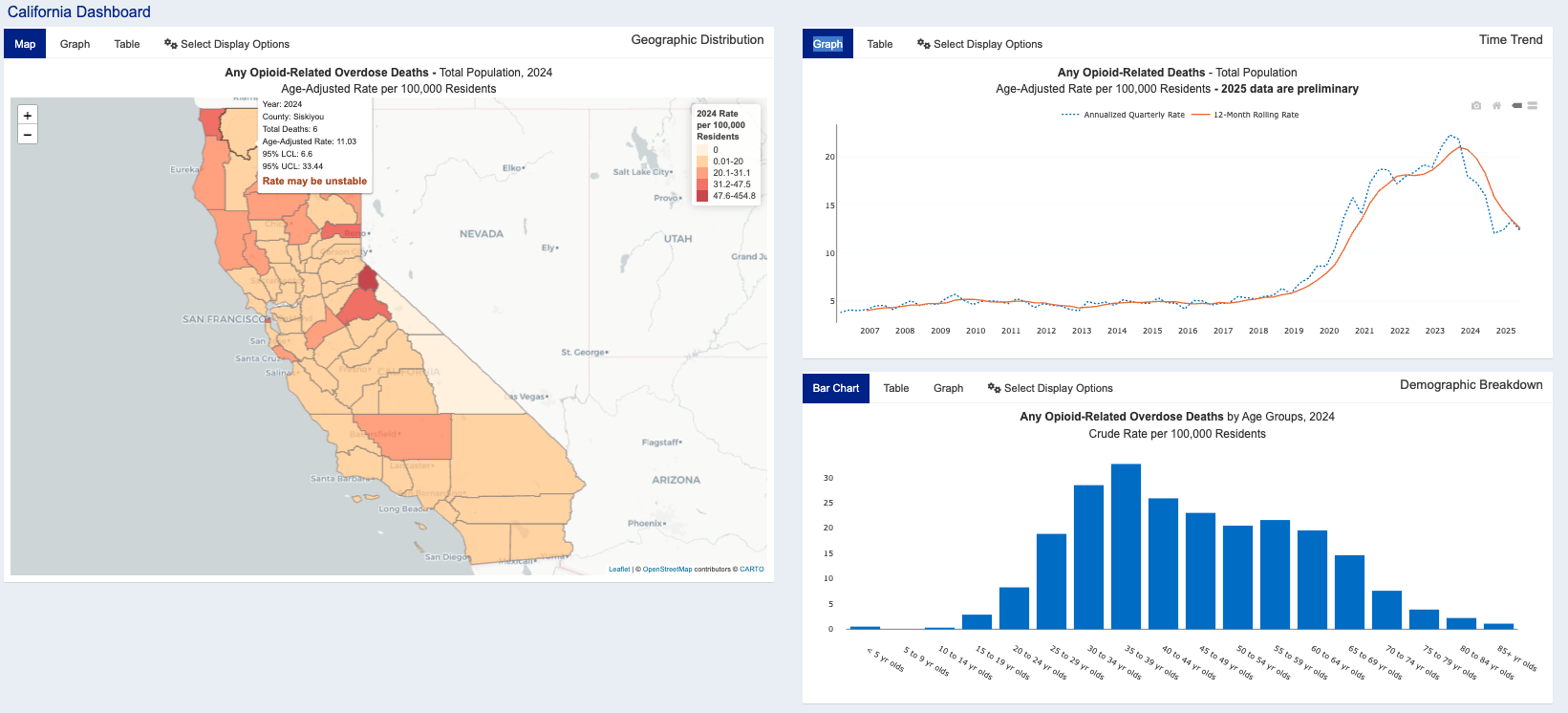
Mapping Upstream Drivers of Overdose
The California Healthy Places Index® (HPI) is a powerful tool, developed by the Public Health Alliance, to assist in exploring local factors that predict life expectancy and comparing community conditions across the state.

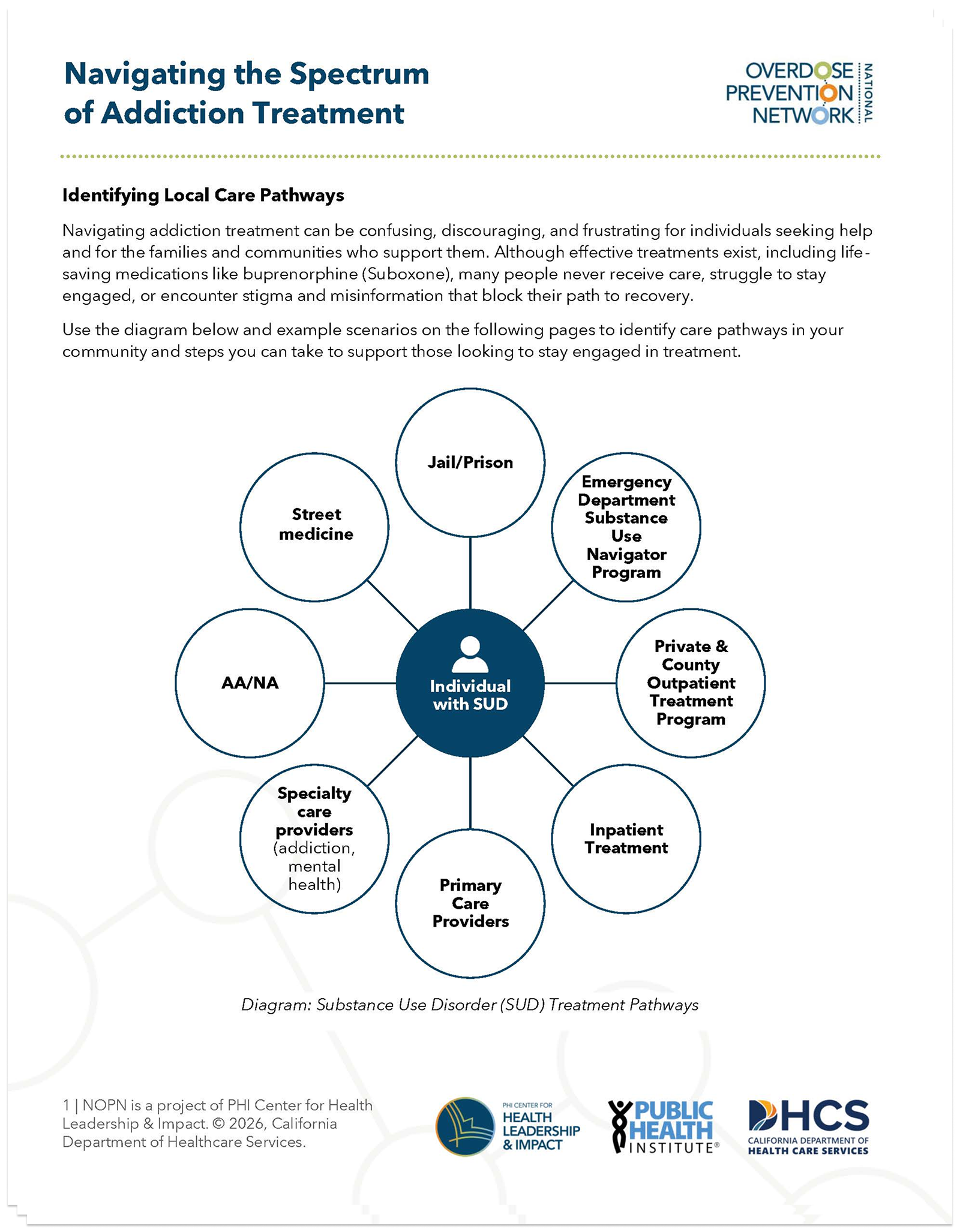
Navigating the Spectrum of Addiction Treatment
Identify care pathways in your community and steps you can take to support those looking to stay engaged in treatment.








Tackle drug addiction and overdose in your community with proven strategies & resources
How does NOPN benefit you?

Strategy
Get access to proven, evidence-based strategies from leaders and local coalitions throughout the country.

Best practices
Participate in national conversations that highlight best practices across communities.

Partners
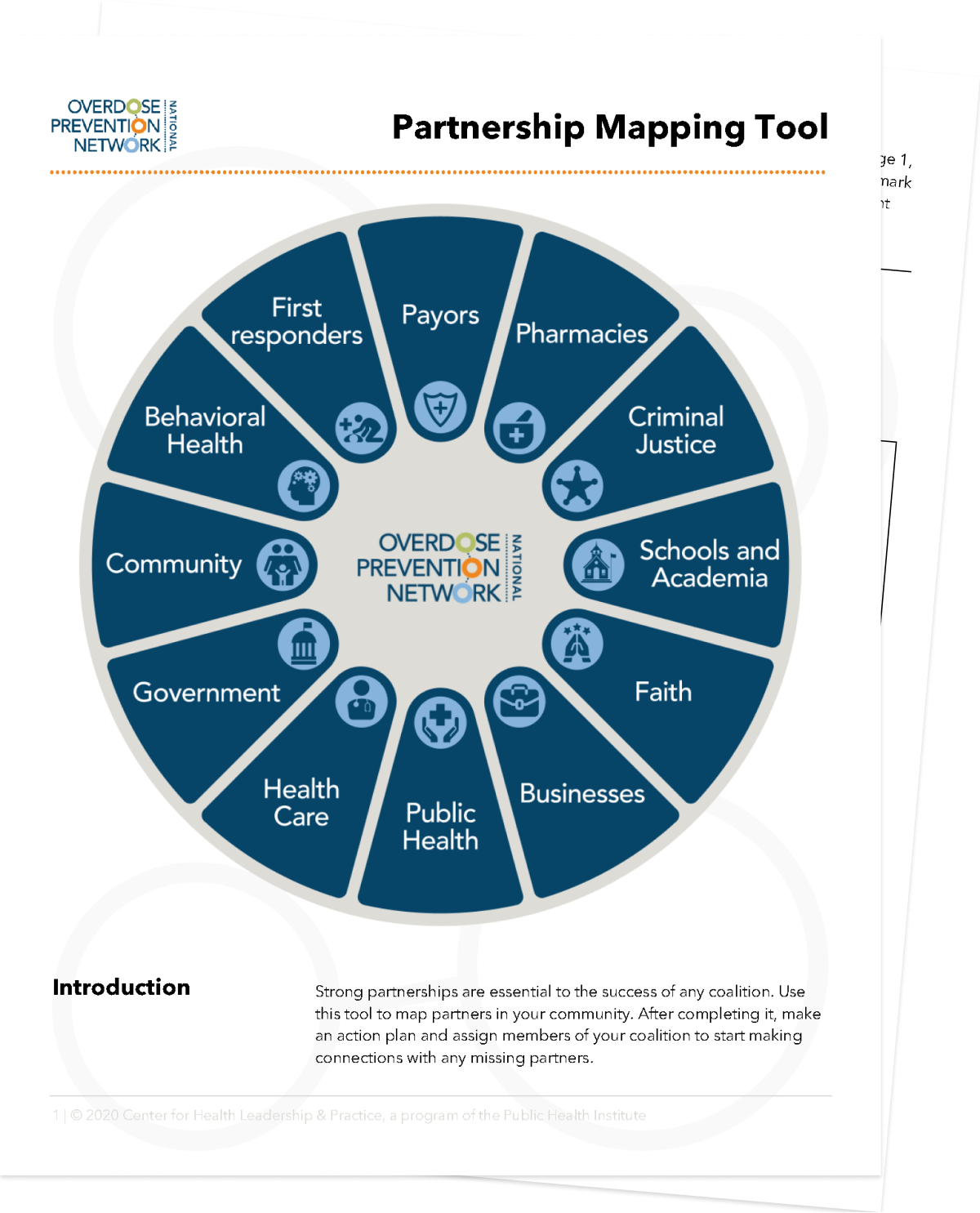
Discover how working with partners across sectors can amplify your overdose prevention efforts.

Policy
Learn how to influence state and federal drug and addiction policies.

Sustainability
Find free tools, guides, and other resources to build a suistainable overdose prevention strategy.

“The Network is the greatest silo-buster I’ve seen. The Network gets people together on a common set of goals and a common set of strategies.”
— Kelly Pfeifer, MD, Deputy Director of Behavioral Health for the California Department of Health Care Services
“The Network is a natural connector and facilitator that showcases best practices across coalitions and evidence-based outcomes that will make a difference.”
— Dr. Grant Baldwin, Director, Division of Overdose Prevention, Center for Disease Control and Prevention
NOPN is funded by the California Department of Health Care Services State Opioid Response IV Grant
